Design around the coldest part of the route.
Describe the whole location
Provide the design minimum and maximum ambient temperatures. Identify outdoor sections, sheltered runs and transitions into buildings or analyser shelters. Wind and exposure can change heat loss, so a single room temperature is not a complete description of an outdoor line.
Include idle and shutdown periods
A line with frequent warm flow may behave differently when the process stops. State how long fluid can remain stationary, whether heating remains available and what restart requires. Insulation slows cooling; it does not indefinitely prevent an unheated line from reaching the surrounding temperature.
Protect the thermal construction
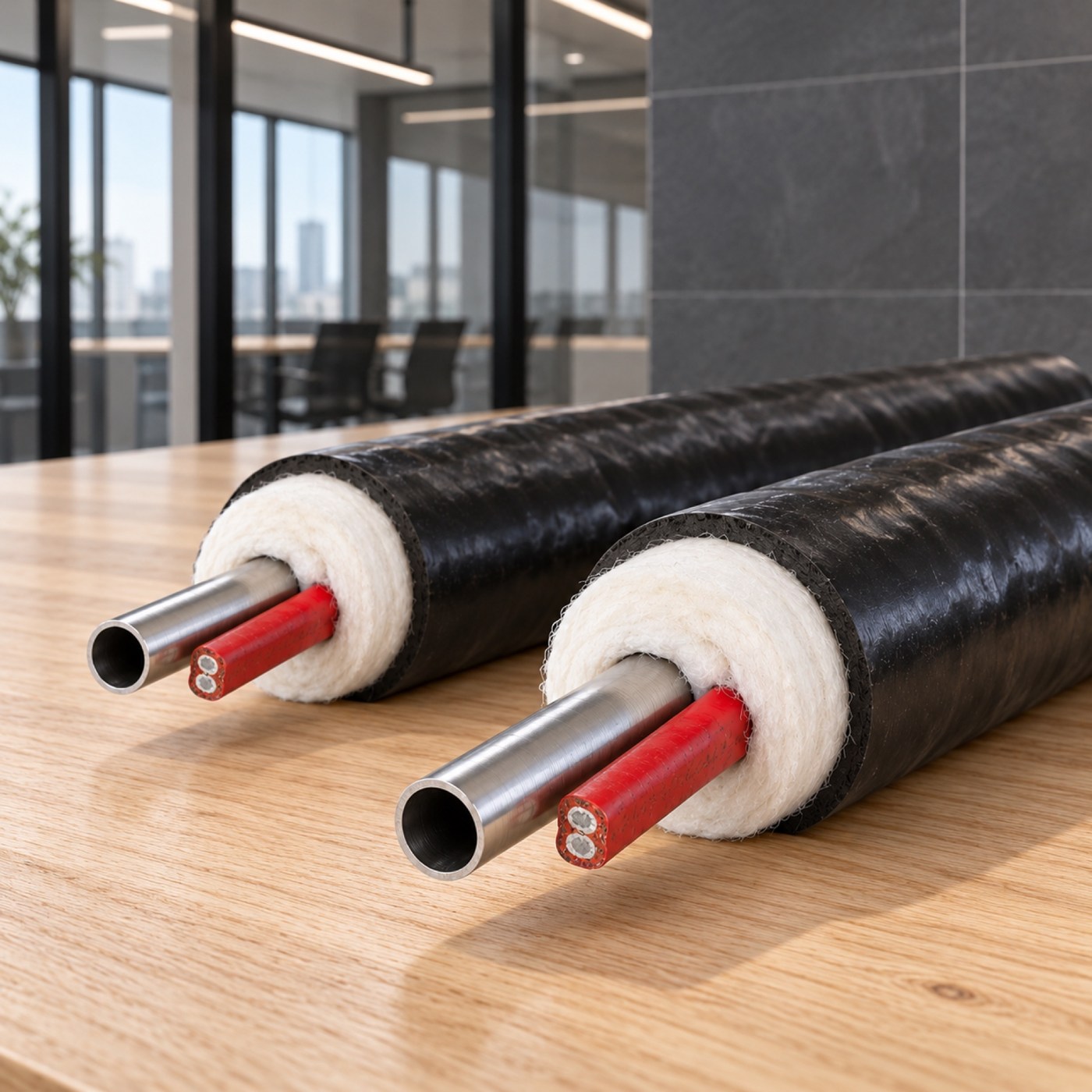
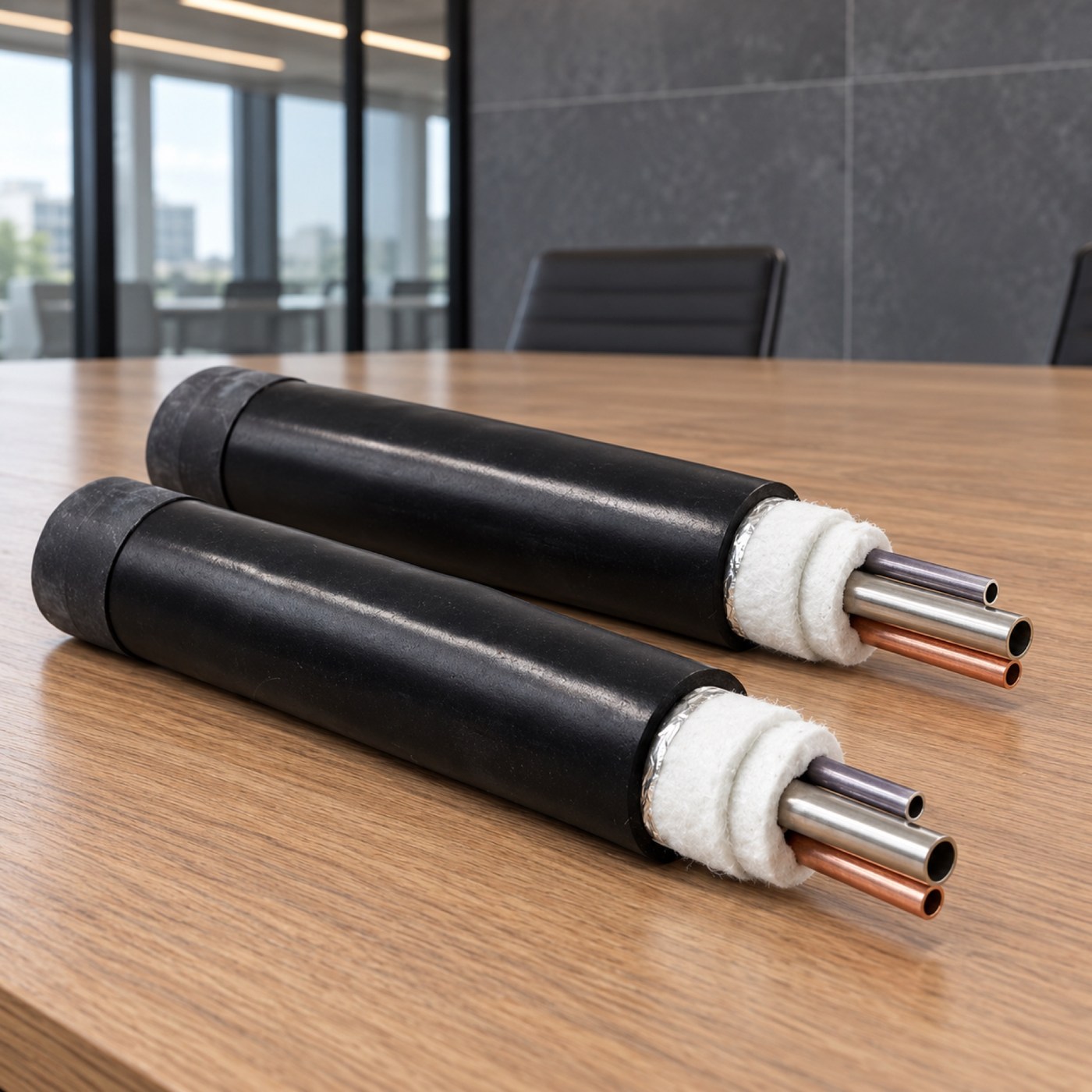
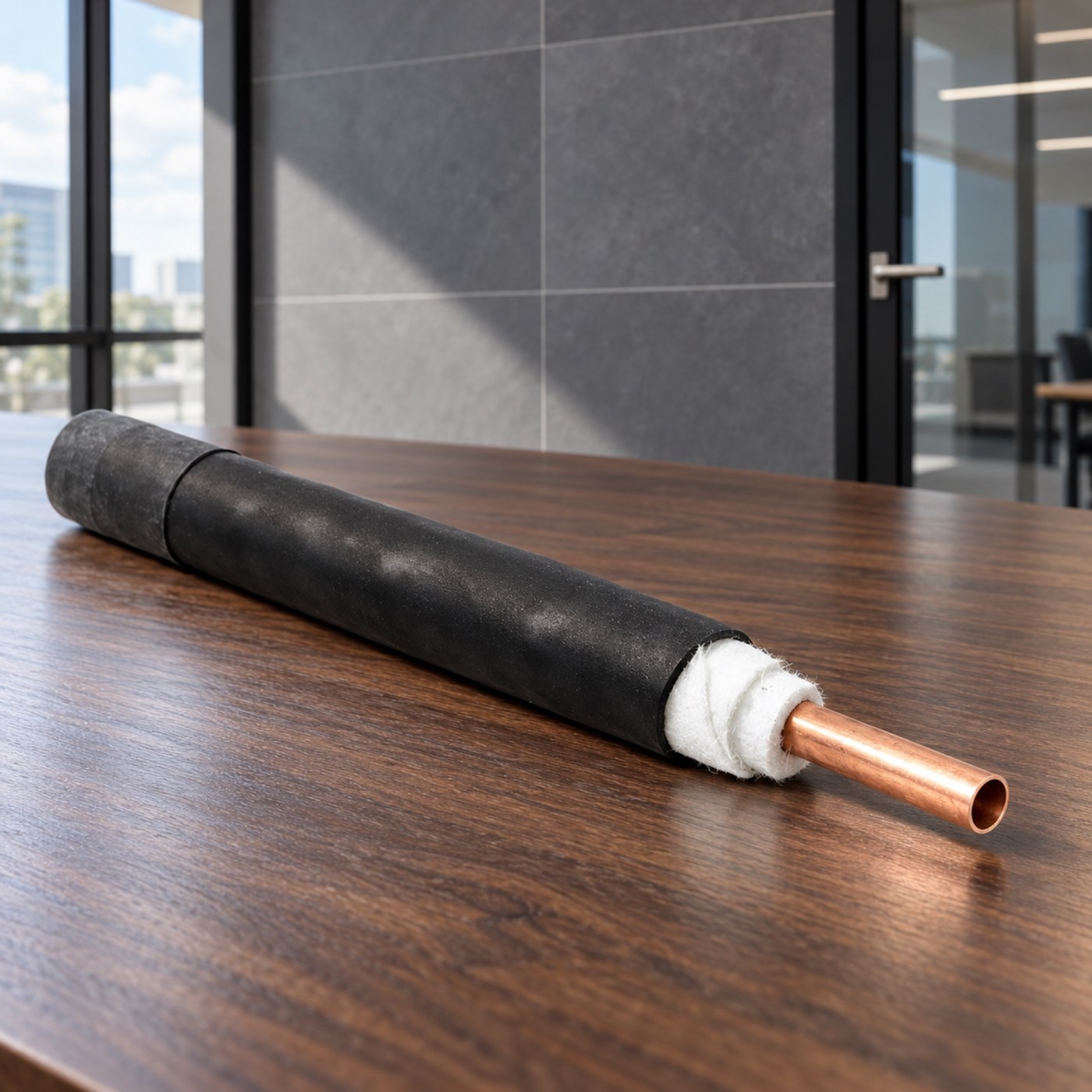
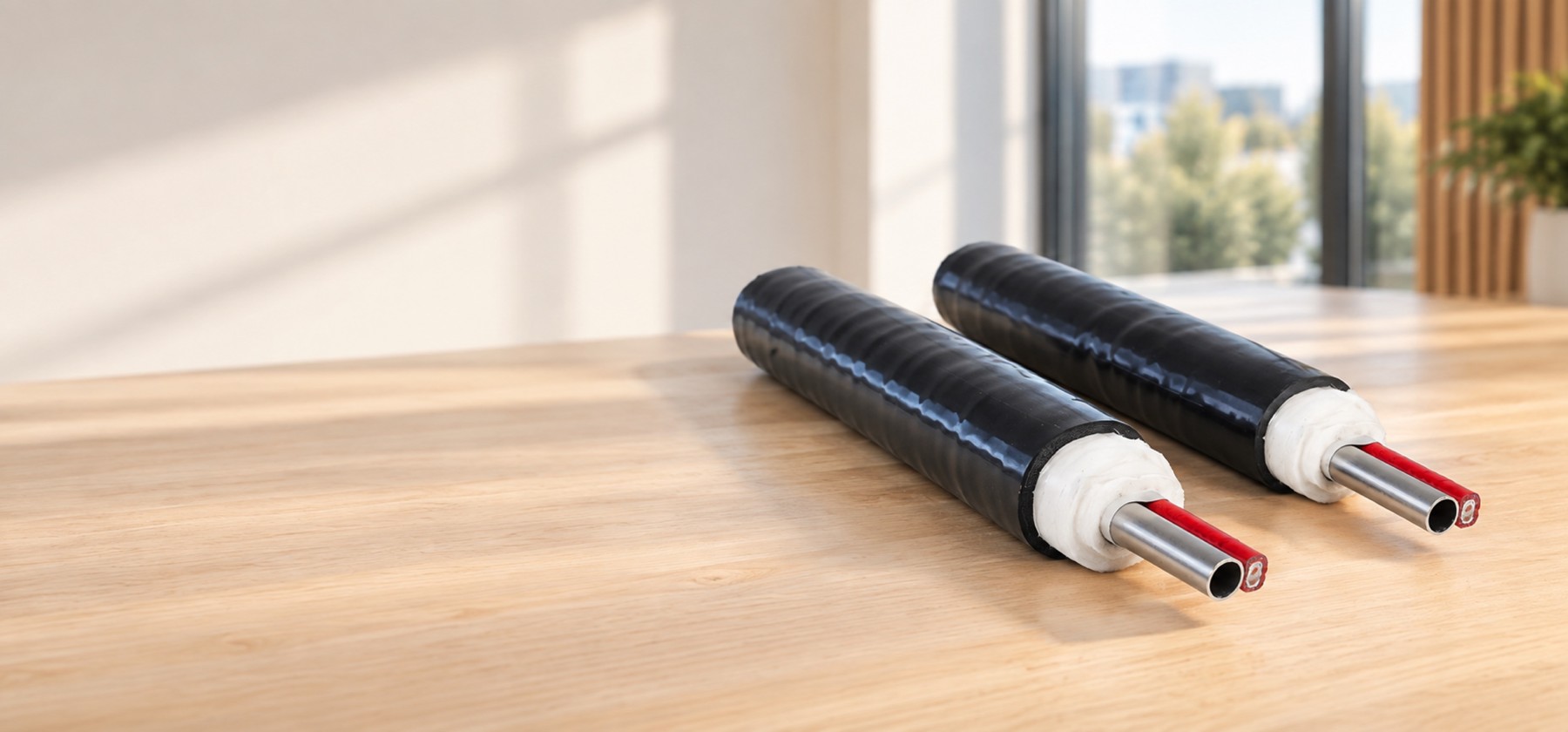
The jacket and end treatment are part of the assembly. Tell PMA about rain, washdown, sunlight, chemicals or mechanical exposure, and request the applicable installation guidance. Damaged jackets and unsealed ends can undermine the intended insulation performance.