How does a heat-traced tubing bundle work?
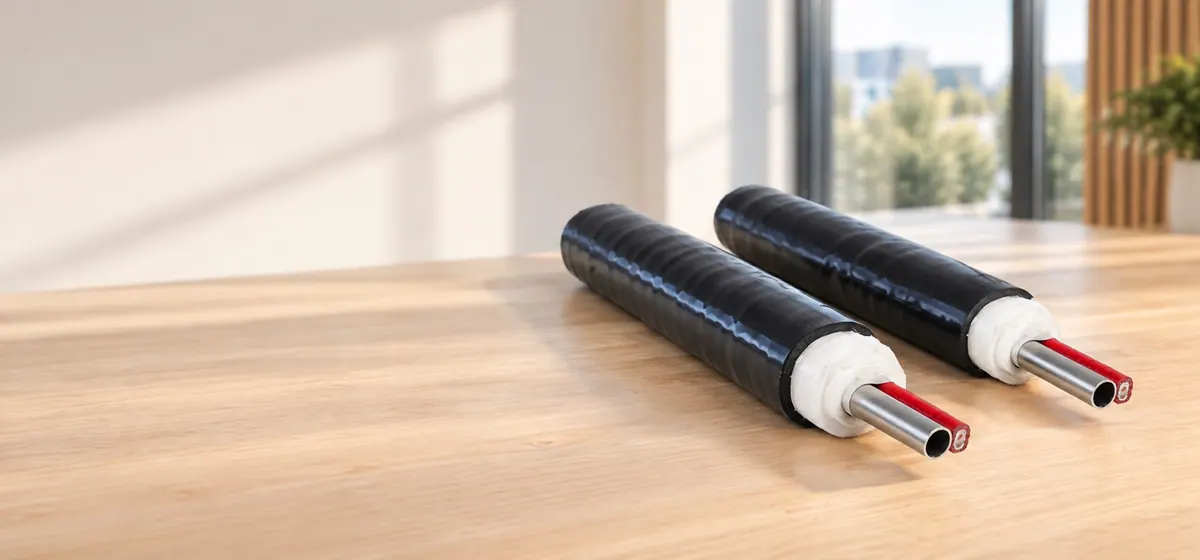
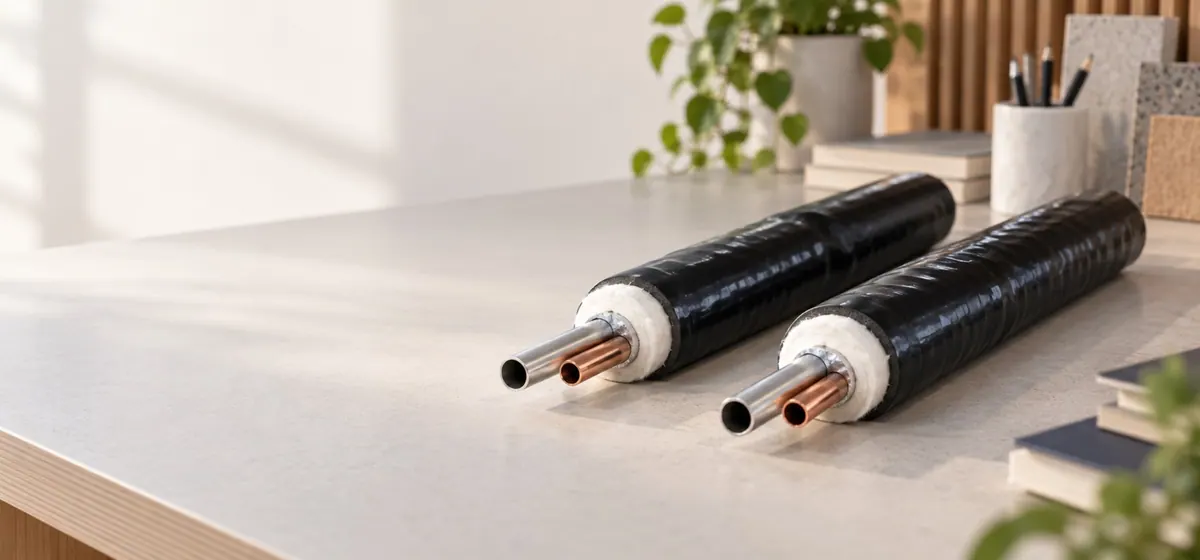
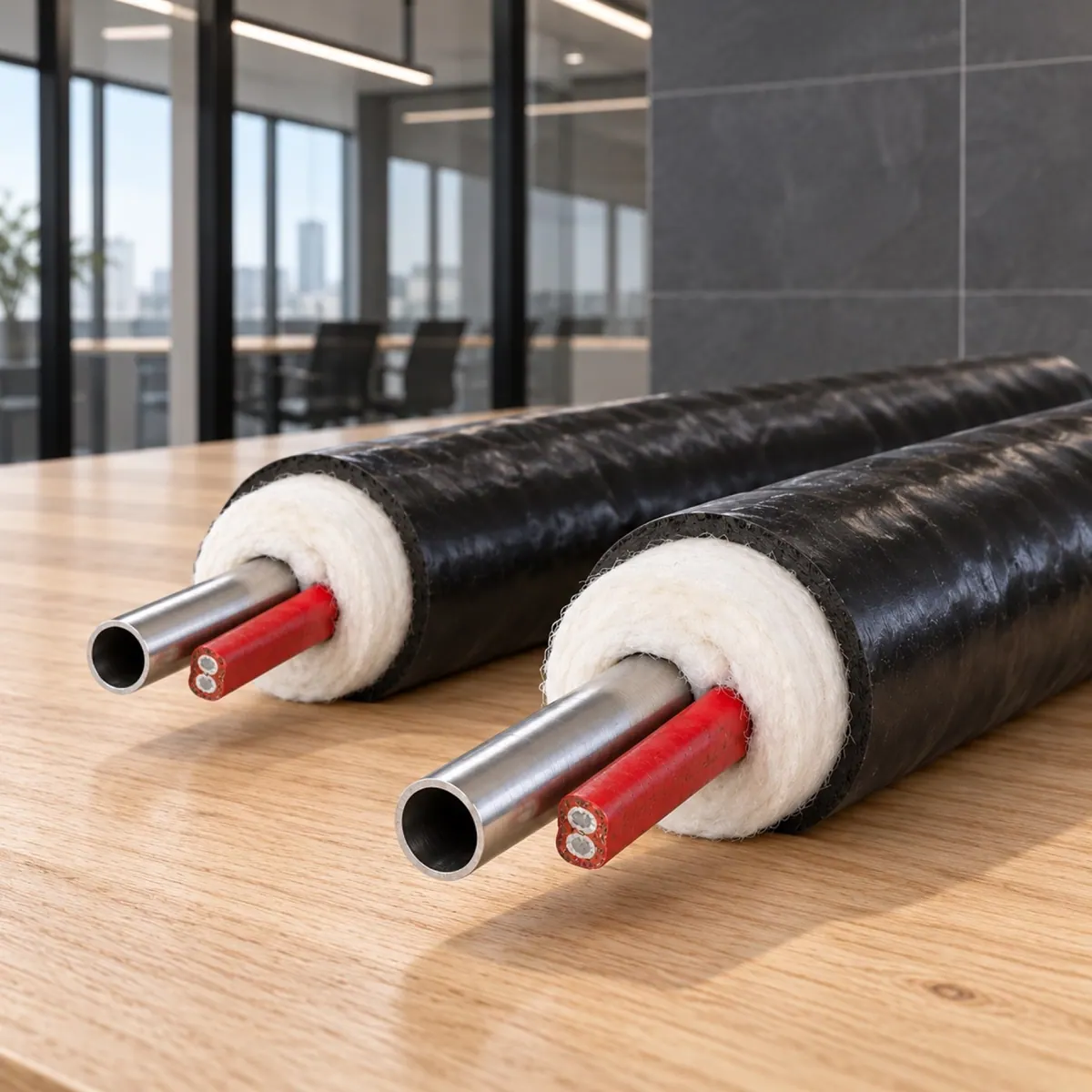
A fluid can cool as it travels through an exposed small-bore line. Heat tracing supplies energy along that route, while insulation slows heat loss. The outer jacket covers the insulated construction. The process fluid remains in its own tube.
The useful design question is the condition required at the outlet and during idle periods. State the incoming fluid temperature, the acceptable temperature window and the coldest surroundings. A maximum product rating is different from the temperature a particular installed line will maintain.
Electric tracing and steam tracing: what is the difference?
Electric tracing places a heater alongside the process tube. It is an option where an electrical supply and a suitable control arrangement are available. Heater construction is selected around the maintenance duty and the temperatures the assembly may experience.
Steam tracing uses a separate tube carrying steam to transfer heat to the process tube. Review the steam conditions and the condensate arrangement as well as the process. The presence of a steam supply does not, by itself, establish that a particular fluid will stay within its required temperature window.
What problems can heat tracing address?
Freeze protection concerns keeping a fluid above its freezing point under the specified conditions. Temperature maintenance concerns keeping it within an operating window. A process can need maintenance well above freezing because cooling changes the fluid or interrupts the intended duty.
Heated sample transport is another distinct enquiry. The sampling method determines the condition needed between the extraction point and the analyser. Include the sample composition and any condensation concerns, and review the probe, connections and conditioning system alongside the line.
Is a tubing bundle the same as a heat tracing cable?
A heating cable is one component. A factory-built traced tubing bundle brings the tube, heating arrangement, insulation and jacket together as an assembly. When comparing proposals, establish whether the quotation covers a complete bundle or components that will be assembled on site.
Describe the end connections, electrical or steam interfaces and any accessories separately. Ask which installation instructions apply and what work remains at the ends. This helps the installer plan the complete line rather than the straight length alone.
What should you include in a heat trace tubing enquiry?
Give PMA the fluid composition, temperature window, pressure, flow and route. Add the available utility, the longest idle period and what happens during cleaning or shutdown. If the installation has hazardous-area requirements, provide the site classification and required documentation.
Choose the construction after those conditions are clear. PMA can review the relevant Dekoron Unitherm family and request the product-specific information needed for the quotation. The product pages below are the next step when you are ready to discuss an assembly.
Your questions, answered.
Are “trace heating” and “heat tracing” different?
Both expressions are used for applying heat along a line. Specify the actual heat source and complete tubing assembly so that the enquiry is clear.
Is heat trace tubing the same as heat-shrink tubing?
No. Heat-shrink tubing is a sleeve that contracts when heated. Heat trace tubing concerns a process or instrument line with a heat source along its route.
Can heat tracing heat a cold fluid to process temperature?
Do not assume a temperature-maintenance design will provide process heat-up. State any required starting temperature, target, fluid volume or flow and heat-up time so that this separate duty can be assessed.
Product information and further reading.
Manufacturer references for the construction and intended duties described in this guide. Ask PMA for ratings, certification and installation information for your proposed assembly.