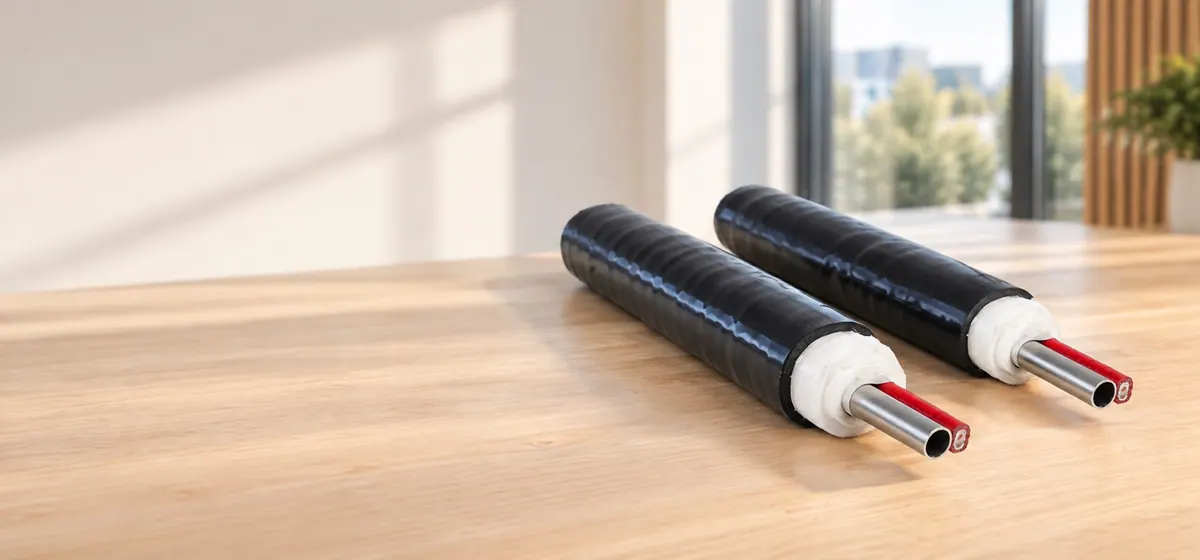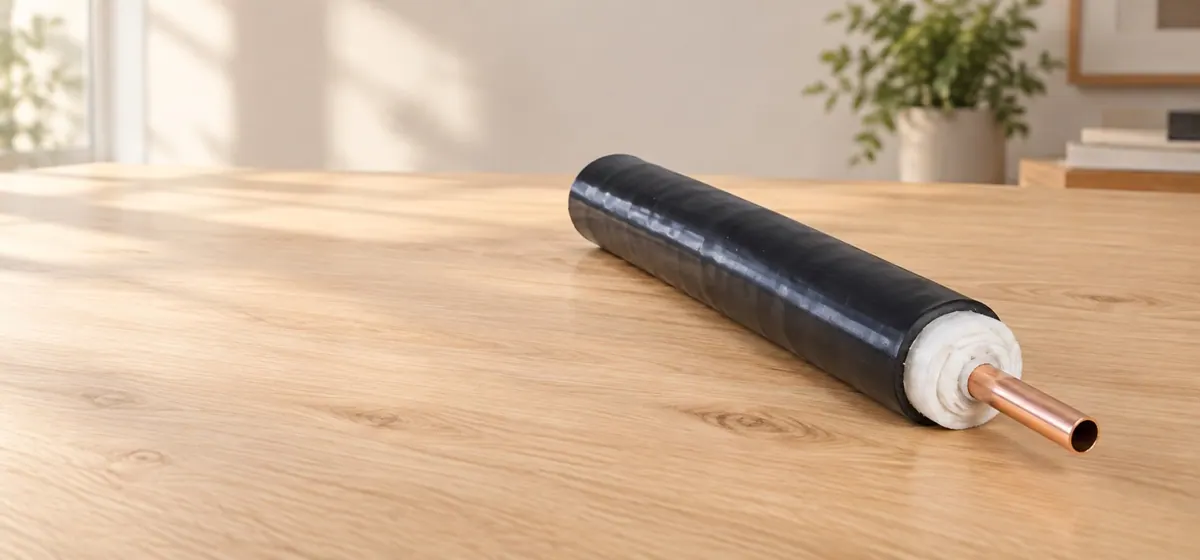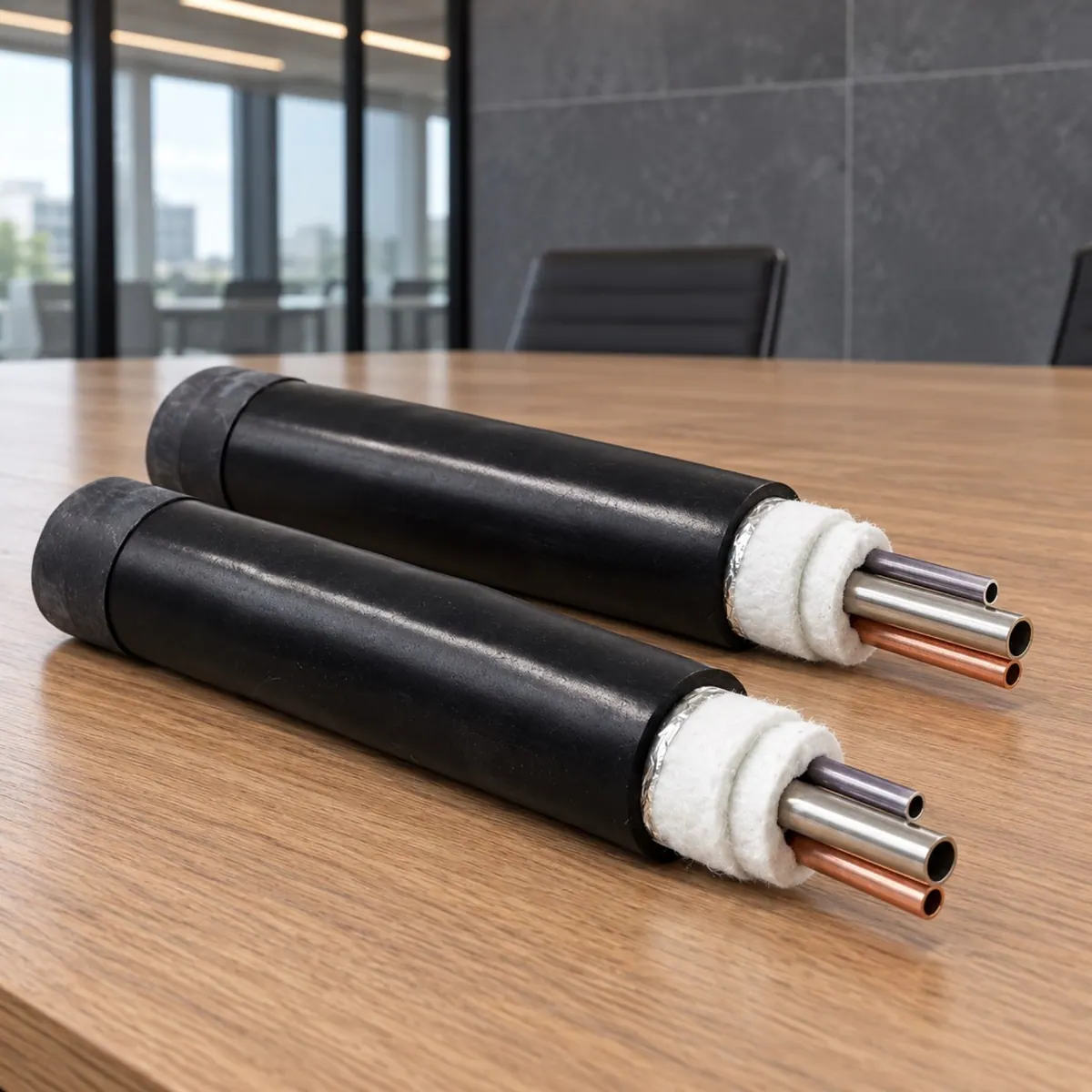
What is inside a steam-traced bundle?
Marmon describes single or multiple process tubes alongside a metal steam tracer, with thermal insulation and a weather-protective outer jacket. The tubes are cabled together to maintain contact along the bundle.
Identify each tube by its duty in your enquiry. State the process fluid requirements separately from the steam utility requirements, including the intended connections. A bundle description should make clear which tube carries which fluid.
Why use steam tracing on a process line?
The manufacturer identifies temperature and viscosity maintenance using saturated steam. These duties arise when the fluid needs to remain within a defined operating window as it travels between equipment.
Describe what happens when the process cools. For a viscosity concern, include the flow requirement and available pressure difference as well as the fluid’s temperature-dependent behaviour. A temperature figure alone does not describe whether the required flow can be maintained.
What steam and condensate information is needed?
Provide the available steam pressure and temperature and describe how the tracer connects to the supply. Include the intended condensate discharge or return arrangement, the route and any changes in elevation. Review the utility arrangement with the wider steam system.
Explain whether steam remains available during standby and what happens during shutdown. The process requirement and the availability of its heat source need to be considered together, particularly if the fluid must remain warm while there is no flow.
Is steam-traced tubing the same as a steam supply line?
A steam supply line carries steam to another piece of equipment. In a steam-traced process bundle, the steam tracer sits alongside a separate tube containing the process fluid. These are different duties even when both routes use insulated tubing.
If you need to connect a steam manifold to tracing equipment, review the pre-insulated transport family. If you need steam to maintain the temperature of a process fluid in the same bundle, review the steam-traced family. Describe both routes if the project requires them.
How do you choose steam-traced tubing?
Define the process temperature window first, including any upper limit. Then provide fluid composition, pressure, flow, tube requirements and the available steam conditions. Add normal operation, cleaning, idle periods and restart to the description.
Use a route sketch to show the length, bends, supports, connections and utility interfaces. Request installation guidance and the documentation for the exact proposed construction. PMA can help bring these details together for a Dekoron Unitherm tubing enquiry in the UK.
Your questions, answered.
Does steam mix with the process fluid?
In the traced bundle, utility steam and process fluid travel through separate tubes. The tracer transfers heat to the process tube.
Is steam tracing always better than electric tracing?
Selection depends on the process temperature window, utilities, control requirements and installation. Compare both complete arrangements for the actual duty rather than assuming one method is always preferable.
Can I select a bundle from steam pressure alone?
No. Include the required process condition, fluid properties, flow, ambient exposure and condensate arrangement as well as the steam supply details.
Product information and further reading.
Manufacturer references for the construction and intended duties described in this guide. Ask PMA for ratings, certification and installation information for your proposed assembly.